PCB, harness, programming, and final inspection
Electronic Assembly Services for Builds That Cannot Stop at PCBA
Electronic assembly services are the right fit when a buyer needs populated boards, cable interfaces, programming, inspection, and final release control handled as one build package. YourPCB focuses on prototype, pilot, bridge, and controlled low-volume assemblies where the handoff between PCB, harness, and test is usually where schedules fail.
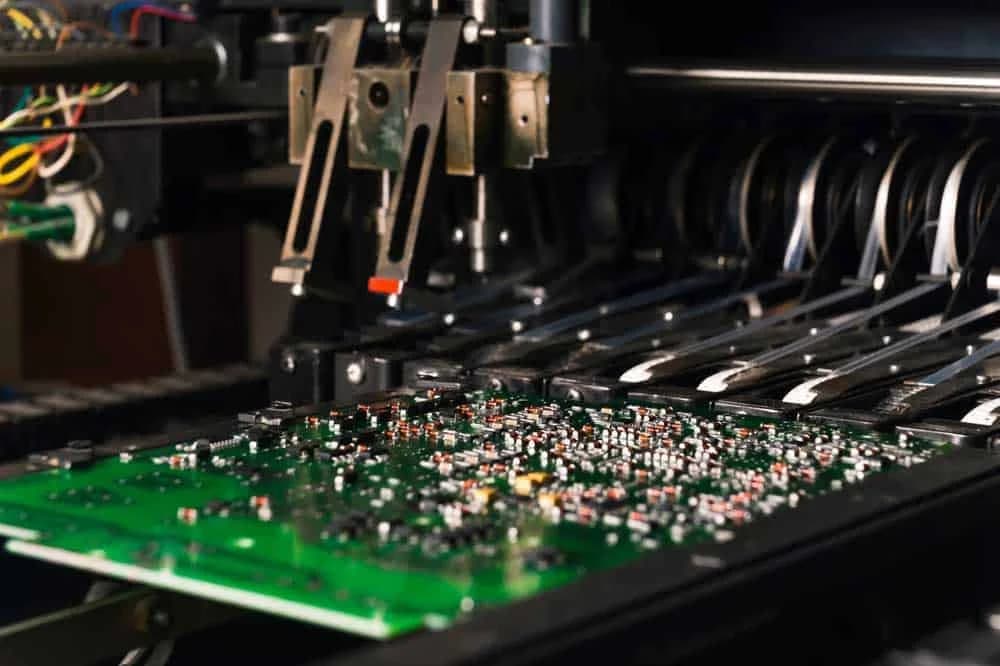
Where This Service Fits in the Manufacturing Stack
Electronic assembly services sit between board-level PCBA and full turnkey electronics manufacturing. A PCBA-only order asks whether components can be placed, soldered, inspected, and tested on the board. A full turnkey order asks one supplier to own sourcing, PCB fabrication, assembly, interconnects, and schedule coordination. This page targets the middle case: the product has a released or nearly released design, but the finished assembly still depends on harness mating, programming, labels, mechanical details, and a test record that purchasing can trust.
The manufacturing language matters because the buyer's risk changes by scope. Electronics manufacturing services can describe everything from bare board sourcing to warranty repair, while IPC electronics standards define common workmanship expectations. YourPCB uses those references as a baseline, then forces the quote discussion back to the exact files, limits, and pass-fail rules for the product.
PCBA
SMT, THT, mixed assembly
IPC-A-610
Workmanship reference
Low Volume
Prototype to bridge lots
Test Ready
Programming and functional checks
Assembly Scope and Capability Boundaries
PCB Assembly and Inspection
SMT, through-hole, mixed-technology soldering, AOI, X-ray for hidden joints where required, and build feedback tied to the actual release package.
Cable and Harness Integration
Cable pigtails, wire harness mating, connector orientation checks, continuity review, labeling, and routing details that affect final system behavior.
Programming and Functional Test
Firmware loading, serial-number handling, bench test, functional verification, and pass-fail limits documented before repeat production begins.
Electromechanical Release
Hardware installation, enclosure interface review, torque-sensitive steps, ESD-safe packaging, and final inspection for prototype and low-volume lots.
Honest Fit Guidance
This service is strongest when the design package is mature enough to build and test, but not yet stable enough for an anonymous high-volume handoff. It is not a substitute for product design, regulatory certification, or open-ended troubleshooting with no BOM, no drawing, and no pass-fail limits. If procurement ownership is also required, use our turnkey electronics manufacturing path instead.
Technical Specification Signals Buyers Should Define
| Best-fit volumes | Prototype, pilot, bridge, and controlled low-volume builds |
|---|---|
| Board processes | SMT, through-hole, mixed-technology, BGA inspection by X-ray where needed |
| Interconnect scope | Custom cable assemblies, wire harness mating, labeling, and continuity checks |
| Documentation inputs | Gerber or ODB++, BOM, XY data, assembly drawing, test notes, cable drawings |
| Quality references | IPC-A-610 workmanship expectations and product-specific inspection criteria |
| Sourcing models | Consigned, hybrid, or coordinated turnkey handoff depending on BOM risk |
| Out of scope | Unreleased designs with no BOM, no assembly drawing, or undefined pass-fail test limits |
These are quote-readiness signals, not inflated factory claims. The most useful assembly quote is built from known release data: package mix, board finish, cable pinout, programming method, inspection access, and pass-fail test limits. For quality language, buyers often reference ISO 9000 quality management principles, but product-level acceptance still depends on the drawing and the purchase specification.
A Practical Decision Framework
Choose PCBA Only
Use circuit board assembly services when the deliverable is the populated board and the buyer will handle cables, firmware, packaging, and system test.
Choose Electronic Assembly
Use this service when the PCBA must be combined with harness interfaces, firmware steps, labels, fixtures, and a defined functional test before shipment.
Choose Turnkey EMS
Use turnkey EMS when YourPCB should coordinate sourcing, fabrication, assembly, interconnects, alternates, and repeat order planning under one manufacturing owner.

Release Workflow
1
Release Package Review
The quote starts by checking whether the board files, BOM, placement data, cable drawings, firmware notes, and test expectations describe one buildable product.
2
Assembly Risk Mapping
Engineering review identifies footprint risk, polarity exposure, BGA or fine-pitch inspection needs, connector strain, harness pinout risk.
3
Build Plan and Inspection Gates
The production plan maps SMT, through-hole, hand assembly, cable integration, programming, AOI, X-ray, continuity, and functional test to the actual lot size.
4
Pilot Build Feedback
First-article observations are captured as release notes so ECOs, second lots, and bridge production do not repeat the same documentation gaps.
5
Repeatable Low-Volume Release
Stable assemblies move into controlled repeat builds with clearer alternates, inspection criteria, packaging instructions, and traceability expectations.
What To Send for a Quote
- Gerber or ODB++ files, drill data, and board outline
- BOM with manufacturer part numbers and alternates
- XY placement file and assembly drawing
- Surface finish, stencil, cleaning, and coating notes
- Cable drawings, pinout tables, and harness labels
- Firmware loading instructions and programming hardware notes
- Functional test procedure with measurable pass-fail limits
- Serial number, label, packaging, and traceability needs
- Prototype, pilot, and annual quantity expectations
- Target ship date and any critical component constraints
If the board design still needs review before assembly, start with the PCB DFM design rules reference and the Gerber Viewer before sending files for production pricing.
Related Manufacturing Paths
Industrial PCBA Manufacturing
Use this path when the board is a machinery controller, I/O module, relay board, or panel-mounted PCBA with industrial test and release needs.
PCBA Cable Assembly Integration
Use this narrower path when the main release risk is the board-to-cable interface, connector map, continuity check, and functional test evidence.
Circuit Board Assembly Services
Use this path when the main need is SMT, through-hole, sourcing support, and inspection for populated circuit boards.
Medical PCB Assembly
Use this path when the PCB assembly package needs traceability, medical documentation awareness, and risk-based AOI or X-ray planning.
Quality Assurance: FAI, 8D, PFMEA
Use this path when the mixed build needs first article records, corrective action, PFMEA review, or traceable inspection evidence.
Conformal Coating for PCB Assembly
Use this path when assembled boards need moisture protection, masking control, UV inspection, and post-coat test release.
Turnkey Electronics Manufacturing
Use this path when procurement ownership, PCB fabrication, assembly, interconnects, and final release should sit under one program.
Wire Harness Contract Manufacturing
Use this path when the electrical assembly risk is concentrated in cable drawings, connector sourcing, crimp quality, and continuity testing.
PCB Assembly Prototype
Use this path for early engineering builds where the board needs quick learning before the broader assembly package is frozen.
Frequently Asked Questions
What is included in electronic assembly services?
Electronic assembly services include the controlled work needed to turn released engineering files into buildable hardware: PCB assembly, selective through-hole soldering, cable or harness integration, firmware loading, labeling, inspection, and functional test. The exact scope is defined from the BOM, Gerber or ODB++ package, placement data, assembly drawing, test notes, and quantity target. YourPCB is strongest when the build needs coordination between PCBA work and final electromechanical release, not only bare component placement.
I have 50 prototype units with PCBAs and cable pigtails. Is that too small?
A 50-unit prototype or pilot run is a good fit when the release package is complete enough to quote without guessing. Small electronic assembly services usually need more engineering attention per unit, so the fastest path is to send Gerbers, BOM, XY data, cable drawings, labeling notes, and the functional test requirement together. For very early builds, we can separate risk review from production so connector pinouts, firmware steps, and test limits are corrected before the lot repeats at 200 or 500 units.
How do electronic assembly services differ from PCB assembly services?
PCB assembly services focus on populating and inspecting the circuit board. Electronic assembly services cover the larger release path around the board, including harness mating, programming, mechanical hardware, labeling, final inspection, and packaging where required. A pure SMT order may only need solder paste, placement, reflow, AOI, and X-ray. A broader electronic assembly build may also need IPC-A-610 workmanship review, continuity checks on cable interfaces, torque-controlled hardware, and serialized functional test records.
What files do you need for an electronic assembly quote?
The minimum quote package is Gerber or ODB++ data, drill files, BOM with manufacturer part numbers, XY placement data, assembly drawings, revision notes, quantity breaks, and test requirements. If the assembly includes cables, harnesses, enclosures, labels, or firmware, include drawings, pinout tables, programming instructions, and pass-fail limits in the same package. Missing files are the most common reason a 24-hour quote request turns into a multi-day clarification loop.
Should I choose turnkey electronics manufacturing or electronic assembly services?
Choose electronic assembly services when you need a supplier to build, integrate, inspect, and test released hardware while you may still control some sourcing decisions. Choose turnkey electronics manufacturing when you want one supplier to own procurement, PCB fabrication, assembly, interconnects, and schedule coordination as a single program. Many OEMs start with electronic assembly for 25 to 250 pilot units, then move to turnkey once the BOM, alternates, and test plan are stable.
How do you reduce first-build risk on mixed electronic assemblies?
First-build risk is reduced by reviewing the full release package before the floor sees parts. We check footprint and polarity exposure, moisture-sensitive device handling, cable pinout alignment, connector strain, inspection access, programming steps, and functional test coverage. Standards such as IPC-A-610 help define workmanship expectations, but the buyer still needs measurable pass-fail rules for the product. A useful pilot build records those rules so the next lot repeats the process instead of rediscovering it.
Need Electronic Assembly Services for a Mixed Build?
Send the board files, BOM, cable drawings, programming notes, and test limits together. A useful quote depends on the complete release package, not only the component placement file.

Backed by our Shenzhen SMT factory
26 placement machines · 11 SMT lines
4 nitrogen reflow ovens
100% 3D SPI & AOI inspection
Per-board MES traceability
01005 & PoP in stable production