Industrial Electronics Manufacturing
Industrial PCBA Manufacturing for Control Boards
Control-board builds fail when sourcing, connector interfaces, and functional test are treated as afterthoughts. YourPCB focuses on industrial PCBAs that need SMT assembly, through-hole connectors, approved BOM control, and release evidence before repeat orders.

TL;DR
- Industrial PCBA is best for machinery boards that need sourcing, soldering, connector review, and powered test.
- Send Gerbers, BOM, XY data, assembly drawings, test limits, and connector pinouts in one RFQ package.
- IPC-A-610 and IPC-J-STD-001 should be tied to your board revision, not added as generic badges.
- Hybrid sourcing works when buyers consign critical ICs while YourPCB manages standard components and bare boards.
Industrial PCBA Capability Scope
Industrial PCBA manufacturing is a board-level manufacturing service for control, sensing, I/O, relay, and machinery electronics that must survive repeat field use. A PCBA is a printed circuit board populated with electronic components. An industrial control board is a PCBA that connects logic, power, sensors, relays, or communication interfaces inside equipment. A release record is the inspection and test evidence that proves the accepted revision shipped. For public standards context, see IPC electronics standards and electronics manufacturing services.
Industrial Control Board PCBA
SMT, through-hole, connector, relay, power-stage, sensor-interface, and I/O board assembly for machinery, control cabinets, field devices, and automation modules.
BOM and Component Sourcing
Approved manufacturer part number review, alternate-part control, long-lead IC checks, connector sourcing, MSL handling, and hybrid turnkey or consigned kitting.
Mixed-Technology Assembly
Reflow, selective soldering, wave-solder fit review, hand operations, BGA or QFN X-ray planning, and release notes tied to the exact PCB revision.
Industrial Interface Review
Terminal blocks, board-to-wire connectors, DIN-rail modules, panel wiring, harness mating, enclosure clearance, service access, and field-replacement needs are reviewed before build.
Functional Test Planning
Powered checks, firmware loading, relay actuation, sensor input simulation, communication checks, and pass-fail limits are defined before repeat lots begin.
Release Records for Repeat Builds
First article notes, AOI or X-ray status, rework disposition, component substitutions, shipment splits, and lot feedback stay visible for the next PO.
Real Project Snapshot
An anonymized industrial customer was already buying wire harnesses but sourcing PCB assemblies and electronic components separately for industrial machinery. The split supply chain created assembly-alignment risk and extra logistics work for the customer's integration team.
YourPCB identified the PCBA opportunity during routine harness order follow-ups, connected the customer's electronic engineers with the PCB assembly team, and quoted board manufacturing plus component support. The concrete numbers from the locked case bank are: IC STM32-family MCU sourcing, PCB/PCBA manufacturing integration, Multi-category supply consolidation.
The result was not a generic cross-sell. The buyer moved from fragmented harness and PCBA suppliers toward a broader multi-category manufacturing partnership, which is the exact situation where industrial PCBA needs connector, sourcing, and release-record discipline.
Technical Specifications Buyers Should Freeze
Industrial PCBA quotes become useful when the buyer freezes enough information for engineering to price the real process route. A machinery board with terminal blocks, relays, and firmware does not have the same risk profile as a small sensor board with only SMT passives. YourPCB uses the RFQ package to separate board assembly, sourcing, inspection, harness handoff, and test scope before the purchase order is released.
| Best-fit products | Industrial control boards, machinery PCBAs, I/O modules, sensor interface boards, motor-control electronics, relay boards, and panel-mounted electronics |
| Typical volumes | Engineering prototypes, pilot lots, bridge builds, service-part lots, and controlled low-volume repeat production |
| Assembly scope | SMT, through-hole insertion, selective soldering review, wave soldering fit review, hand operations, BGA/QFN inspection, programming handoff, and functional test |
| Quote inputs | Gerber or ODB++, BOM with MPNs, XY data, assembly drawing, test notes, firmware steps, connector pinout, annual volume, and delivery priorities |
| Quality references | IPC-A-610 workmanship expectations, IPC-J-STD-001 soldering process context, ISO 9001-style release records, and buyer-specific test limits |
| Procurement models | Turnkey sourcing, customer-consigned critical ICs, hybrid kitting, approved alternates, and no-substitution lines for safety or lifecycle risk |
| Out of scope | Unreleased designs with no BOM, no test method, undefined firmware state, no assembly drawing, or no decision owner for component substitutions |
These rows define scope, not marketing claims. For example, IPC-A-610 sets workmanship language for the soldered assembly, while ISO 9001-style records explain how revision control, inspection status, and nonconformance decisions stay traceable across repeat lots. See public background on ISO 9000 quality management when comparing supplier record systems.
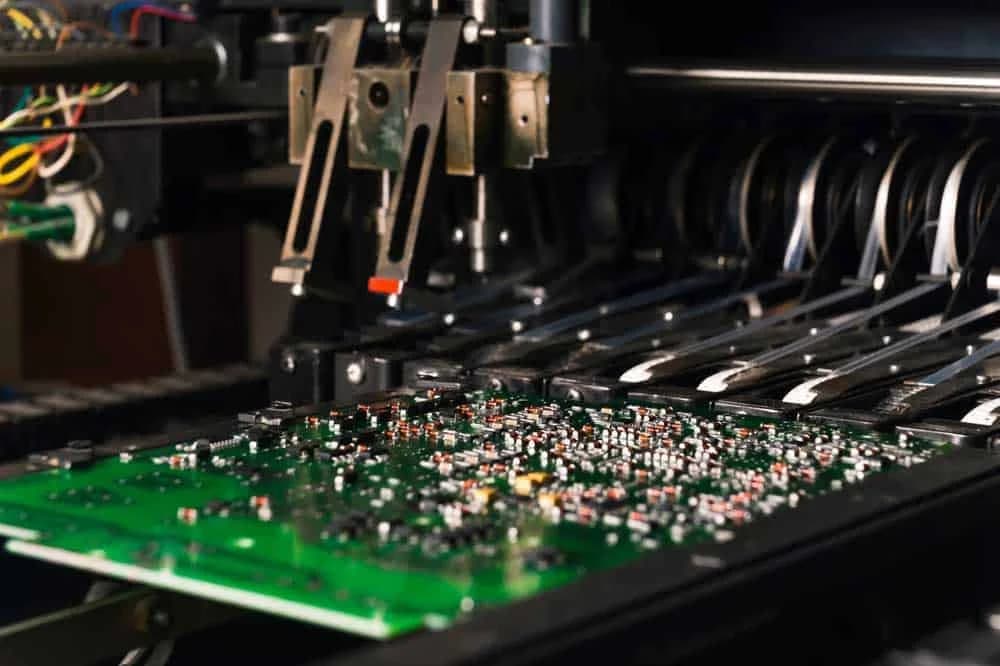
Which Service Path Fits Your Industrial Build?
Industrial electronics programs often overlap with broader EMS, cable assembly, and box build work. The right service path depends on the failure point you are trying to control. If the board itself is the risk, focus on industrial PCBA manufacturing. If the risk is the board-to-cable interface, move the release review toward PCBA cable integration before parts are ordered.
| Path | Best fit | Why it matters |
|---|---|---|
| Industrial PCBA manufacturing | Control boards, I/O modules, relay boards, sensor electronics, machinery electronics, and panel-mounted PCBAs | The build needs soldering, sourcing, connector review, test limits, and repeat-release records around one board family. |
| Electronic assembly services | PCBA plus cable pigtails, labels, firmware, mechanical hardware, or small electromechanical subassemblies | The product risk extends beyond board population into the final assembly route and packaging release. |
| Turnkey electronics manufacturing | PCB fabrication, component sourcing, assembly, interconnects, test, and scheduled repeat lots under one supplier | Procurement ownership and schedule coordination matter as much as board-level workmanship. |
| Industrial wire harness manufacturing | Cabinet wiring, branch harnesses, sensor leads, field-installed cables, and connectorized machinery wiring | The main risk is crimp quality, wire routing, labels, branch protection, continuity, and installation fit. |
| PCBA cable assembly integration | A populated board with custom cable assemblies, connector pinouts, continuity checks, and functional test evidence | The interface between PCBA and cable is the failure point that needs one release owner. |
Manufacturing and Release Workflow
1
Industrial RFQ Intake
Engineering checks board files, BOM maturity, product function, connector interfaces, enclosure needs, target lot size, and whether the PCBA ships alone or inside a larger assembly.
2
DFM, DFT, and Sourcing Review
Footprints, polarity, paste layers, soldering route, test access, critical ICs, connectors, approved alternates, MSL parts, and shortage exposure are reviewed before quoting.
3
Build Plan and First Article
SMT, through-hole, inspection, programming, cable mating, and functional-test assumptions are turned into a first-article route so early defects do not repeat across the lot.
4
Inspection and Functional Test
AOI, X-ray where hidden joints exist, visual checks, connector verification, powered test, and failure triage are connected to the accepted revision and shipment plan.
5
Repeat-Lot Release Control
Approved alternates, rework notes, yield concerns, ECO changes, and delivery-risk signals are carried forward so the next industrial PCBA lot does not restart from email memory.
RFQ Checklist for Industrial PCBA Buyers
A complete industrial PCBA RFQ prevents pricing based on assumptions. The fastest quote is not the quote with the fewest questions; it is the quote that identifies the board, parts, test method, and interface risk before material is purchased. Send the items below together when possible.
Gerber or ODB++ package and fabrication notes
BOM with approved manufacturer part numbers and no-substitution lines
XY placement file, assembly drawing, polarity notes, and revision status
Test plan with voltage, current, communication, relay, or firmware limits
Connector pinout, mating harness drawing, and enclosure clearance notes
Target quantities, annual demand, split shipments, and critical delivery dates
Approved alternates, consigned inventory, shortage history, or lifecycle concerns
Required inspection evidence such as AOI, X-ray, FAI, ICT, or functional test records

Best-Fit Industrial Applications
Good Fit for This Page
- Machine controller PCBAs with terminal blocks or relay outputs
- Sensor interface boards for industrial automation modules
- Motor-control, pump-control, HVAC, and field-equipment electronics
- Panel-mounted boards that need harness and enclosure interface checks
- Low-volume repeat PCBAs where sourcing and test records must carry forward
Better Handled by Another Path
- Pure harness drawings belong under industrial wire harness manufacturing.
- Board-only quick-turn learning builds may fit PCB assembly prototype before industrial release planning.
- Full enclosure integration belongs under box build assembly when hardware, labels, and final packaging are in scope.
- Sourcing-led risk belongs under PCB component sourcing when BOM availability is the critical path.
"Industrial PCBA work is rarely difficult because of one resistor value. The hard part is proving that the board revision, sourced parts, connector direction, firmware step, and functional test all describe the same build before the second lot repeats the first lot's mistakes."
Hommer Zhao
Founder & General Manager, YourPCB
Frequently Asked Questions
What is industrial PCBA manufacturing?
Industrial PCBA manufacturing is the assembly, inspection, sourcing, and test release of printed circuit board assemblies used in machinery, control cabinets, sensors, I/O modules, relay boards, and automation systems. The build usually combines SMT, through-hole connectors, selective soldering review, AOI, and powered functional test. For buyer clarity, the RFQ should name the IPC-A-610 class target, the BOM revision, the test limits, and any connector or harness interface before production starts.
I need 300 industrial control boards with relays and terminal blocks. Is that a good fit?
A 300-piece industrial control board lot is a good fit when the board files, BOM, XY data, assembly drawing, and test method are released enough to quote without assumptions. Relays and terminal blocks add mechanical and soldering risk, so the build plan should define through-hole route, connector seating checks, powered test limits, and IPC-A-610 workmanship class before the lot runs. If the board also mates to harnesses, send the pinout and enclosure drawings with the RFQ.
How is industrial PCBA different from standard SMT assembly?
Industrial PCBA usually needs more interface review than standard SMT assembly because the board often connects to field wiring, relays, motors, sensors, enclosures, or cabinet harnesses. Standard SMT may focus on paste printing, placement, reflow, and AOI. Industrial PCBA adds terminal-block orientation, service access, vibration exposure, functional test limits, and repeat-lot release records. The extra review is useful when a single connector mistake can stop a machine rather than only fail a bench sample.
What files do you need to quote industrial PCBA manufacturing?
Send Gerber or ODB++ data, BOM with manufacturer part numbers, XY placement file, assembly drawing, revision notes, target quantities, test requirements, firmware instructions, and connector pinouts. If sourcing is included, mark no-substitution parts and approved alternates clearly. If the PCBA connects to a cabinet harness, motor drive, sensor, or enclosure, include mating drawings so the quote covers connector direction, clearance, and functional-test access instead of only component placement.
Should I choose turnkey sourcing or consigned parts for an industrial PCBA?
Choose turnkey sourcing when YourPCB should buy the BOM, manage distributor availability, and flag approved alternates before production. Choose consigned or hybrid sourcing when the buyer controls allocated ICs, programmed devices, safety-critical parts, or existing inventory. A hybrid model is common for industrial PCBAs: the buyer consigns constrained controllers while the factory sources resistors, capacitors, connectors, and bare boards. The marked BOM should assign ownership for 100% of line items.
How do you control quality on industrial PCB assemblies?
Industrial PCB assembly quality is controlled by release-package review, first-article checks, AOI, X-ray for hidden joints where needed, connector seating review, powered functional test, and lot-level release notes. IPC-A-610 gives the workmanship language for solder joints, while ISO 9001-style records keep revision, inspection, nonconformance, and shipment evidence traceable. Buyer-specific pass-fail limits still matter because visual inspection alone cannot prove an industrial controller works under load.
Can one supplier handle PCBA and industrial harness work together?
Yes, one supplier can handle PCBA and industrial harness work when the release package defines both the board and the interconnect. This is useful for machinery programs where PCBAs, custom harnesses, and electronic components were previously sourced from separate suppliers. In one anonymized case, the concrete scope expanded to IC STM32-family MCU sourcing, PCB/PCBA manufacturing integration, Multi-category supply consolidation. The main benefit is fewer handoff errors around pinout, schedule, and final test responsibility.
Related Services and Buyer Guides
Electronic Assembly Services
Use this when industrial PCBAs also need cable pigtails, labels, firmware steps, enclosure hardware, packaging, and final release control.
PCBA Functional Testing Service
Use this when powered test, firmware loading, fixture assumptions, communication checks, and pass-fail limits are the main buyer concern.
Industrial Wire Harness Manufacturing
Use this when the industrial program also includes cabinet wiring, machinery harnesses, sensor leads, and field-serviceable interconnects.
PCB Component Sourcing
Use this when critical ICs, connector families, lifecycle risk, and approved alternates determine whether the PCBA schedule is realistic.
EV PCBA Supplier Qualification Before Pilot Builds
A buyer guide for checking PCBA suppliers before pilot builds when sourcing, inspection, and release evidence matter.
PFMEA and Control Plan for Electronics Manufacturing
Relevant when industrial electronics need documented process-risk review instead of informal build notes.
Need an Industrial PCBA Quote With Real Release Controls?
Send the board package, BOM, test notes, connector pinout, and target quantity. We will flag sourcing, soldering, inspection, harness-interface, and functional-test risks before the build moves to production.
Send Industrial PCBA Files
Backed by our Shenzhen SMT factory
26 placement machines · 11 SMT lines
4 nitrogen reflow ovens
100% 3D SPI & AOI inspection
Per-board MES traceability
01005 & PoP in stable production