AllCableComplianceTestingProcurementAssemblyManufacturingAutomotiveQualityProtectionInspectionConnectorsCertifications

Inspection2026-04-30
Solder Paste Inspection in SMT Assembly: What Buyers Should Lock Before Reflow
Solder paste inspection is the first serious quality gate in SMT assembly. This guide explains what SPI catches before reflow, which limits buyers should define, and how to use SPI data alongside AOI, X-ray, stencil control, and functional test.
By Hommer Zhao

Inspection2026-04-27
First Article Inspection in PCB Assembly: What Buyers Should Approve Before Volume Release
First article inspection is where PCB assembly buyers either lock process discipline early or approve volume production with blind spots that become expensive later. This guide explains what a useful first article inspection should include, what evidence buyers should review, and how to avoid treating FAI as a cosmetic formality.
By Hommer Zhao

Inspection2026-04-27
X-Ray Inspection in PCB Assembly: When Buyers Should Ask for It and What It Actually Proves
X-ray inspection is one of the most useful controls for hidden solder joints in PCB assembly, but many buyers request it too vaguely or expect it to prove more than it can. This guide explains when X-ray matters, what defects it can reveal, and what release evidence buyers should verify before approving production.
By Hommer Zhao
Inspection2026-04-24
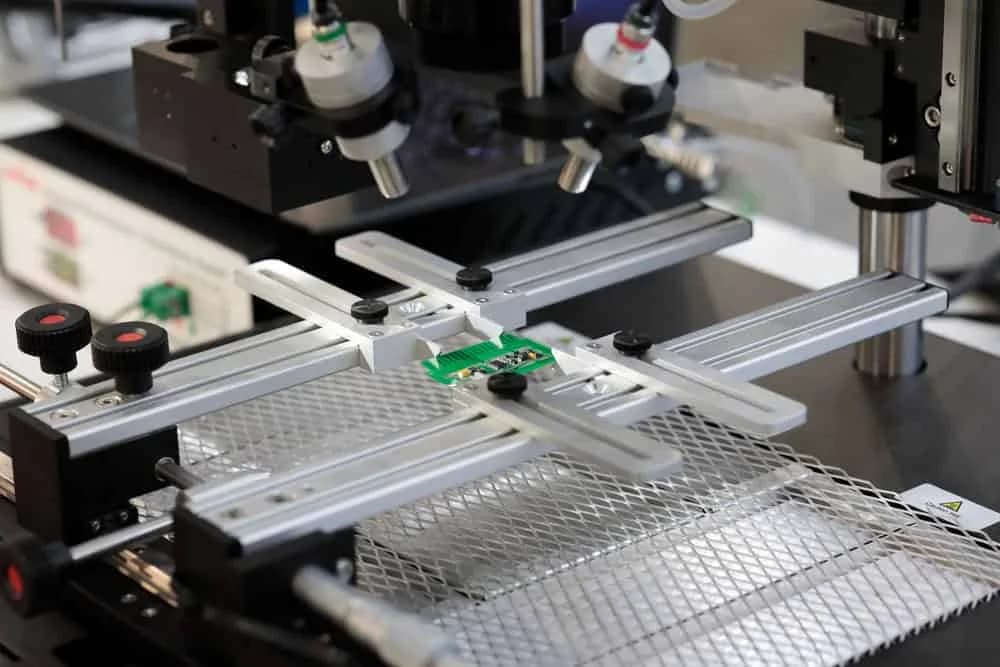
AOI Inspection in PCB Assembly: What It Catches, What It Misses, and When Buyers Should Ask for More
AOI inspection is one of the most common quality gates in PCB assembly, but many buyers misunderstand what automated optical inspection can actually verify. This guide explains where AOI adds value, which defects it catches well, where it fails, and how to combine it with SPI, X-ray, ICT, and functional test for lower escape risk.
By Hommer Zhao