Hidden-Joint PCBA Inspection
X-Ray Inspection PCB Assembly Service
BGA, QFN, LGA, and bottom-terminated packages can pass visual inspection while hiding solder bridges, voiding, opens, or weak collapse. YourPCB uses X-ray inspection as a controlled release gate for PCB assembly programs where hidden joints decide field reliability.

TL;DR
- X-ray inspection verifies hidden solder joints that AOI cannot see under BGA, QFN, LGA, and shielded packages.
- The best programs define voiding, rework, image retention, and lot-release rules before the first article.
- X-ray complements SPI, AOI, ICT, flying probe, and functional test; it does not replace them.
- Quote quality improves when buyers send package lists, assembly drawings, acceptance limits, and required evidence level.
What X-Ray Inspection Actually Proves
X-ray inspection is a radiographic inspection method that uses penetrating radiation to reveal internal density differences. The general concept is explained in public references on X-rays, but the factory value comes from connecting the image to the actual PCBA package list, soldering process, and release decision.
PCBA is a printed circuit board assembly with electronic components soldered to a bare circuit board. BGA is a ball grid array package that connects through solder balls hidden under the component body. Because those joints are not visible from the outside, a camera-based inspection step can confirm placement but not the complete solder condition.
YourPCB treats X-ray as a buyer-facing release control, not a decorative report image. The question is whether the finding changes disposition: release the lot, rework the board, adjust the reflow profile, stop shipment, or ask the buyer to clarify an acceptance limit.
Capability List
BGA and Bottom-Terminated Package Review
X-ray review targets hidden solder joints under BGA, LGA, QFN, DFN, BTC, shielded, and stacked components that AOI cannot see after reflow.
Void, Bridge, and Open Risk Screening
Inspection focuses on solder voiding, insufficient wetting, shorts, opens, head-in-pillow signals, ball shift, and component seating concerns.
First Article Evidence
Early boards are checked against the BOM, placement data, reflow profile, package risk, and buyer acceptance notes before repeat-lot release.
BGA Rework Disposition
Suspect hidden joints are separated into accept, rework, retest, or engineering-review paths instead of being passed downstream on visual inspection alone.
AOI and Functional Test Handoff
X-ray findings are tied to AOI, SPI, ICT, flying probe, and PCBA functional testing so hidden-joint risk and powered behavior are not confused.
Lot-Level Release Records
When requested, the release package can include X-ray image references, defect notes, rework disposition, board revision, lot status, and shipment hold decisions.
Real Project Snapshot
Anonymized example from our case bank, shared so buyers can see how this scope is actually executed in production.
Industry: robotics | Region: Singapore | Year: 2026-Q1
Scenario: A Singapore robotics OEM required PCB and assembly services for a product rollout, structured as a multi-PO program with split deliveries.
Challenge: The customer had highly time-sensitive production schedules and required strict delivery visibility; one of the split purchase orders faced a tight timeline risk requiring immediate communication.
Solution: Implemented proactive order management by providing same-day payment confirmation and issuing an early delivery timeline warning for the constrained PO, while confirming other POs remained on schedule.
Result: Maintained high customer trust and schedule transparency across the multi-PO program, preventing delivery disputes and ensuring smooth execution without escalating risk signals.
Program characteristics: multi-PO program, split deliveries, proactive payment confirmation, early delivery timeline warning issued
Scope, Limits, and Quote Inputs
| Best-fit builds | BGA-heavy SMT assemblies, QFN/LGA boards, dense mixed-technology PCBAs, EV control boards, robotics boards, and pilot lots |
|---|---|
| Typical inputs | Gerbers or ODB++, BOM, pick-and-place file, assembly drawing, BGA package list, reflow notes, revision history, and acceptance limits |
| Common findings | Solder voiding, bridges, opens, ball shift, head-in-pillow indicators, insufficient wetting, lifted packages, and rework damage signals |
| Companion controls | SPI before reflow, AOI after reflow, BGA rework, ICT, flying probe, functional test, and final inspection records |
| Standards context | IPC-A-610 workmanship acceptability, IPC-J-STD-001 soldering process expectations, ISO 9001 record control, and buyer-specific limits |
| Record outputs | Image references, defect notes, engineering disposition, rework status, first article comments, and pass/fail lot release decision |
| Quote variables | Board size, package count, double-sided density, inspection percentage, required image retention, rework scope, and evidence level |
IPC is an electronics standards organization associated with workmanship documents such as IPC-A-610 and soldering process documents such as IPC-J-STD-001. Public background is available through IPC in electronics. ISO 9001 is a quality-management-system family that supports document control, traceability, and corrective-action discipline; its public overview is available at ISO 9000.
The buyer should define inspection percentage, image retention, voiding rules, rework authorization, and release evidence before production. Without those limits, the factory can find a hidden condition but still lack the authority to decide whether the board ships, stops, or returns to engineering review.
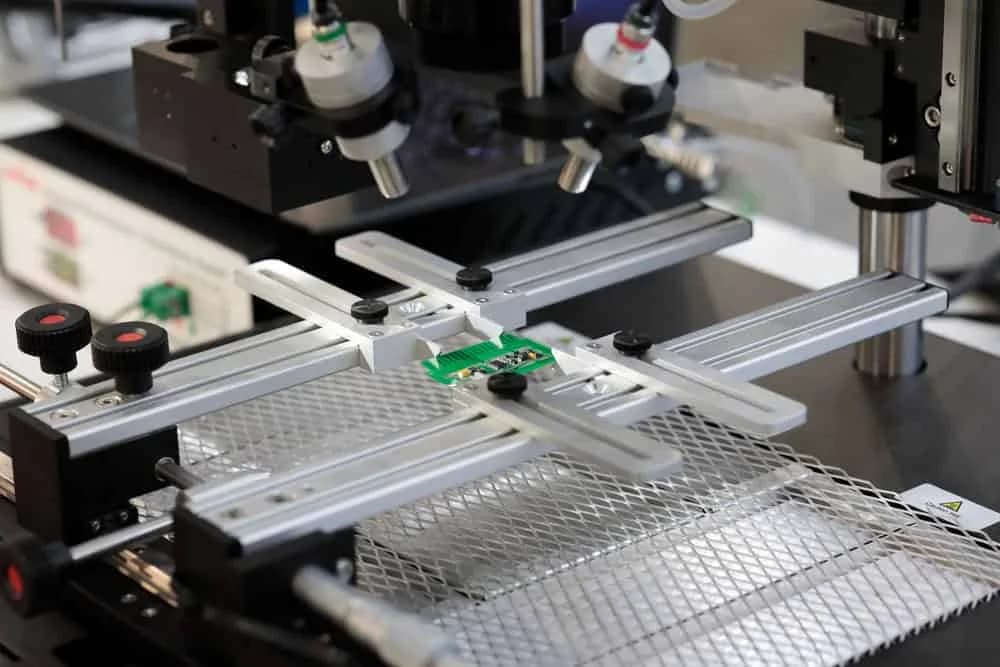
Choosing X-Ray, AOI, SPI, or Functional Test
| Buyer situation | Best inspection path | Reason |
|---|---|---|
| BGA or LGA package with hidden solder balls | X-ray after reflow, then disposition before functional test | Optical inspection cannot verify the hidden joint geometry, so a powered pass alone can miss a marginal solder connection. |
| Fine-pitch SMT with visible gull-wing leads | SPI plus AOI, with selective X-ray only for hidden-risk parts | AOI is usually more efficient for visible solder joints; X-ray should be focused where it adds inspection coverage. |
| Prototype PCBA with unknown reflow behavior | First article X-ray tied to reflow-profile review | Early images can show voiding, ball collapse, package float, or solder distribution issues before the next build repeats the same defect. |
| BGA rework or replacement | Pre-rework diagnosis, controlled rework, post-rework X-ray | The record needs to show whether the original defect was corrected without adding new shorts, opens, or board damage. |
| PCBA shipped into box build | X-ray release before enclosure, cable, and final system assembly | Hidden-joint failures are much cheaper to isolate before the board is installed inside a harnessed or enclosed product. |
AOI is automated optical inspection that checks visible component and solder conditions with cameras. SPI is solder paste inspection that measures paste deposits before reflow. Functional testing is a powered verification step that checks whether the assembled board performs its intended electrical job.
A mature PCBA release route separates those gates instead of asking one test to prove everything. Review the X-ray buyer guide and BGA voiding and rework acceptance before freezing hidden-joint acceptance limits.
Release Workflow
1
Package and Risk Review
Engineering identifies hidden-joint packages, double-sided thermal risk, BGA pitch, reflow constraints, and buyer acceptance notes before the route is released.
2
First Article X-Ray
The first board or panel is checked for hidden solder quality, package seating, voiding pattern, bridges, and any process signals that should stop the lot.
3
Lot Inspection and Separation
Boards are inspected to the agreed sampling or 100% plan, with suspect assemblies separated for engineering disposition instead of moving into final test.
4
Rework or Process Feedback
Confirmed defects are routed to BGA rework, stencil or profile feedback, placement correction, or buyer review when the acceptance limit needs clarification.
5
Release Record Closure
The lot is released with the agreed evidence level: image references, first article notes, rework status, shipment hold status, and open actions for the next build.
Certification and Release Controls
IPC-A-610 workmanship context
IPC-J-STD-001 soldering process logic
ISO 9001-style revision and record control
This page is written from the factory side by Hommer Zhao, Founder & General Manager at YourPCB, using 15+ years of PCB assembly, cable assembly, and electronics manufacturing review experience. The practical release package can include board revision, lot status, first article notes, X-ray image references, rework disposition, and shipment status when the buyer requires auditable evidence.
FAQ
What is X-ray inspection in PCB assembly?
X-ray inspection is a radiographic inspection method that lets the factory review hidden solder joints, internal features, and solder distribution that cameras cannot see. In PCB assembly, it is most useful for BGA, LGA, QFN, DFN, bottom-terminated components, shielded areas, and reworked hidden joints.
Does every PCBA need X-ray inspection?
No. A simple visible-lead board may be better served by SPI, AOI, electrical test, and functional test. X-ray becomes important when the design includes hidden solder joints, expensive downstream assembly, safety-critical use, BGA rework, or a buyer requirement for image-backed release evidence.
Can X-ray replace AOI or functional testing?
No. X-ray shows hidden physical conditions, while AOI checks visible placement and solder workmanship and functional testing proves powered behavior. A dense PCBA often needs all three gates because each one catches a different failure mode.
What files should buyers send for an X-ray inspection quote?
Send Gerbers or ODB++, BOM, pick-and-place data, assembly drawing, package list for BGA/QFN/LGA devices, board revision, inspection percentage, acceptance limits, and any required image or lot-report format.
How do you decide whether voiding is acceptable?
The buyer should define the package type, reliability level, thermal path, electrical load, and acceptance rule before production. For power pads and thermal pads, a small visual-looking void can matter more than the same void percentage on a low-stress signal joint.
Can X-ray records support split-delivery PCBA programs?
Yes. For multi-PO programs with split deliveries, X-ray release records can follow the same lot-by-lot discipline so buyers know which boards cleared hidden-joint review before each shipment.
Related Services
BGA Soldering Service
Use this when the project needs BGA placement, reflow-profile discipline, hidden-joint inspection, or controlled BGA rework support.
AOI Inspection PCB Assembly
Use AOI for visible solder joints, polarity, missing parts, skew, tombstoning, bridges, and first article correlation.
Solder Paste Inspection Service
Use SPI before reflow when paste volume, stencil feedback, and BGA deposit consistency need earlier control.
PCBA Rework Service
Use rework support when X-ray findings need controlled removal, replacement, retest, and release documentation.
Aerospace PCB Assembly
Use this path when hidden-joint X-ray evidence must sit inside a broader aerospace PCBA release package with Class 3 planning and traceability.
X-Ray Inspection Buyer Guide
Read the buyer guide for when X-ray adds value, what it proves, and what buyers should freeze before release.
BGA Voiding and Rework Acceptance
Useful background when a BGA-heavy assembly needs acceptance limits and rework rules before the first build.
Send Your PCBA Files for X-Ray Planning
Share the BOM, placement file, Gerbers, BGA/QFN package list, assembly drawing, board revision, and release evidence requirements. We will review where X-ray fits and what companion tests are needed before shipment.
Contact YourPCB
Backed by our Shenzhen SMT factory
26 placement machines · 11 SMT lines
4 nitrogen reflow ovens
100% 3D SPI & AOI inspection
Per-board MES traceability
01005 & PoP in stable production