LED Light Ring PCBA and Cable Assembly
Integrated support for smart-hardware light rings that need SMT assembly, connector wiring, pinout checks, optical review, and a controlled pilot-to-repeat release path.
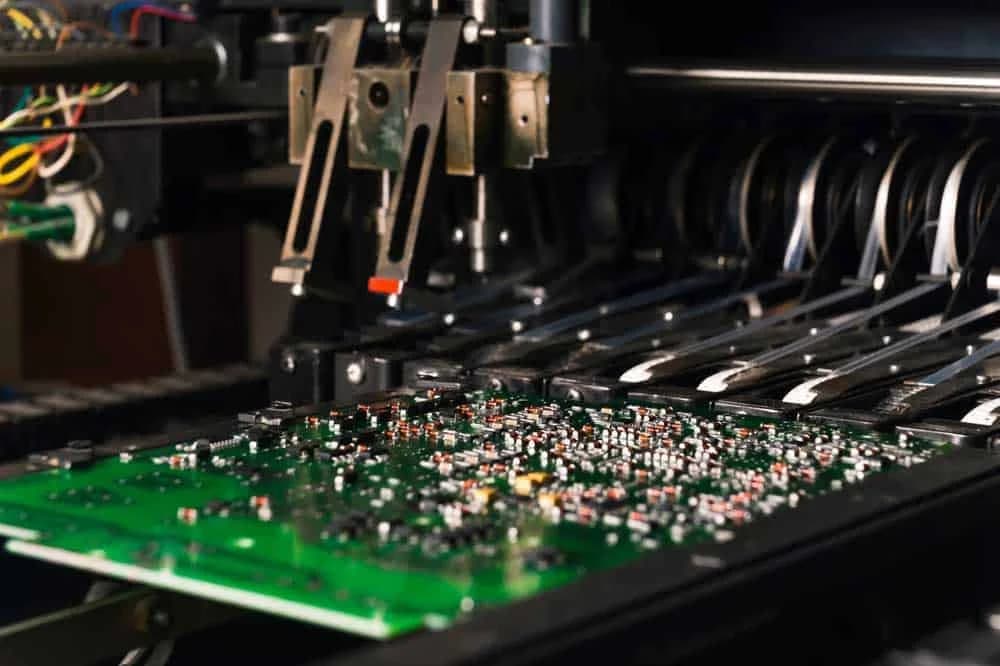
TL;DR
- Best fit: LED PCBAs that must ship with connector wiring and light-up evidence.
- Send board files, BOM, cable drawing, pin map, optical limits, and housing notes together.
- One supplier reduces mismatch between SMT release, cable routing, and final visual checks.
- Pilot lots should record current draw, segment behavior, connector orientation, and packing rules.
What This Service Controls
An LED light ring assembly is an illuminated electronic subassembly that places LEDs on a circular, arc-shaped, or segmented PCB and connects that board to the host product through a cable or connector. A PCBA is a printed circuit board assembly with components installed, soldered, inspected, and tested. Cable integration is the controlled addition of pigtails, connectors, pin maps, strain relief, labels, and electrical checks around the board.
Public background on a light-emitting diode explains why LED polarity, current, heat, and optical behavior matter. The production problem is not only placing LEDs. The supplier must also keep connector orientation, cable exit direction, housing clearance, and final light-up checks aligned with the buyer product.
We use IPC-A-610 as the electronic assembly workmanship reference, IPC-J-STD-001 for soldered electrical joints when specified, and IPC/WHMA-A-620 for cable acceptance when the drawing calls for harness criteria. Public background on IPC electronics and ISO 9000 is useful when buyer teams define acceptance classes, revision records, corrective action, and traceable release evidence.
LED PCBA Build Control
SMT placement, reflow, polarity review, LED bin awareness, solder-joint inspection, and board-level release records for ring-shaped or segmented LED PCBAs.
Cable and Connector Integration
Drawing-controlled pigtails, connector orientation, strain relief, pinout confirmation, and continuity checks before the light-ring assembly is packed.
Optical and Functional Checks
Power-up checks, current draw review, LED segment confirmation, basic color or brightness screening, and customer-defined pass-fail limits.
Pilot-to-Repeat Release
First-article feedback, revision cleanup, fixture notes, packing rules, and repeat-lot controls for prototype, pilot, and controlled low-volume builds.
Real Project Snapshot
Anonymized example from our case bank, shared so buyers can see how this scope is actually executed in production.
Industry: smart-hardware | Region: North America
A North American smart-hardware distributor originally sourced standard cables, then needed a more complex LED Light Ring Assembly requiring integrated PCBA and cable.
The challenge was cross-category execution: board assembly, custom wiring, connector orientation, and final visual release had to be planned together instead of managed as separate suppliers.
The locked case-bank numbers are LED Light Ring Assembly, integrated PCBA and cable, 500-piece initial production run.
Quote and Release Specifications
Light-ring quotes become slow when the buyer sends a board file but leaves cable routing, LED binning, or final light checks for later. A functional test fixture is a controlled electrical or optical setup that repeats the same powered check across each unit, so the release result does not depend on who held the probe.
| Best-fit programs | Smart-hardware light rings, illuminated HMI modules, sensor surrounds, display bezels, indicator rings, and compact LED subassemblies |
|---|---|
| Typical volumes | Prototype, EVT, DVT, pilot, bridge, and controlled low-volume production where fixture and release feedback still matter |
| PCBA processes | SMT placement, reflow profiling, AOI, polarity review, selective handwork, conformal-coating review when specified, and rework disposition |
| Cable scope | Discrete leads, jacketed pigtails, JST/Molex-style connectors, strain relief, labels, continuity test, and connector seating checks |
| Quote inputs | Gerber or ODB++, BOM, XY file, LED bin or part requirement, cable drawing, pin map, housing interface, firmware or test notes, and quantity breaks |
| Quality references | IPC-A-610 for electronic assembly workmanship, IPC-J-STD-001 for soldered electrical joints, and IPC/WHMA-A-620 when cable acceptance is specified |
When This Path Is Better Than PCBA-Only
A light ring can pass board-level AOI and still fail the product if the connector exits the wrong side, the pigtail interferes with the diffuser, the LED bin changes appearance, or the test step confirms power but not the required visible behavior. Use the decision table to choose the right scope before the first purchase order.
| Decision | Use it when | Buyer benefit |
|---|---|---|
| Use this service | The same supplier must build the LED PCBA, attach the cable, verify pinout, and release the lit subassembly | Fewer handoff gaps between SMT, wiring, optical checks, and packing |
| Use PCBA-only assembly | The board ships as a populated, tested board and cable integration happens inside the buyer factory | Lower scope when connector wiring and final light checks are already controlled |
| Use cable-only assembly | The board is already sourced and the supplier only needs to terminate the harness or pigtail | Simpler release package when the illuminated module is not being integrated |
| Hold for engineering | LED binning, current limit, connector pinout, housing clearance, or test limits are undefined | Prevents pilot builds that pass visually but fail product-level fit or brightness expectations |

Release Workflow
1
Release Package Review
We compare board files, BOM, LED requirements, cable drawing, pin map, housing interface, and test notes before quoting the finished subassembly.
2
PCBA and Cable Risk Review
Engineering flags polarity, LED orientation, solder-mask clearance, connector exit angle, strain relief, and inspection access before the first lot starts.
3
First Article Build
The first units confirm SMT setup, cable routing, connector mating, current draw, light-up behavior, and label or packing details.
4
Functional and Visual Release
We record the agreed power, continuity, segment, color, brightness, or customer-defined checks so the pilot lot ships against measurable criteria.
5
Repeat-Lot Stabilization
Pilot findings become work instructions, inspection photos, fixture notes, and purchasing rules for the next lot.
Standards, Records, and Supplier Evidence
What We Record on a Pilot Lot
For pilot LED subassemblies, we want the first units to produce evidence, not only parts. Typical records include BOM revision, SMT setup notes, polarity review, cable pin map, connector part number, continuity result, power-up behavior, current draw, visual check result, rework disposition, and packing notes.
Certification and Quality Context
Buyer drawings can call out IPC-A-610, IPC-J-STD-001, and IPC/WHMA-A-620 acceptance language. For management-system expectations, ISO 9001-style controls are most useful when tied to revision control, traceability, nonconformance handling, and corrective action instead of used as a generic badge.
Supplier-Side Tradeoff
We prefer a simple powered fixture for an engineering lot when the design is still moving. For repeat production, the stronger path is a documented fixture or workcell setup that controls the same pinout, current limit, light sequence, and visual check each time.
Related Manufacturing Pages
Electronic Assembly Services
Use this path when the LED module is part of a broader electronic subassembly with programming, labels, and final product checks.
Box Build Assembly
Use this path when the LED light ring must be installed into an enclosure or finished device before shipment.
SMD PCB Assembly
Use this path when the main requirement is surface-mount placement and inspection of the LED circuit board.
Connector Crimping and Soldering Services
Use this path when the technical risk sits in the connector terminations, soldered leads, pin map, or strain relief.
PCBA Functional Testing Service
Use this path when the buyer already has assembled boards and needs a powered test plan with release records.
LED Light Ring Integration Article
Read the related buyer guide on PCBA and cable integration for LED light ring assemblies.
Buyer FAQ
What is LED light ring PCBA and cable assembly?
LED light ring PCBA and cable assembly is the controlled production of an illuminated board-level subassembly with its connector wiring, pinout verification, optical checks, and shipment release evidence. It sits between PCBA-only work and full box build assembly.
What files should I send for a quote?
Send Gerber or ODB++ data, BOM, XY placement file, LED bin or approved part requirement, assembly drawing, cable drawing, connector part numbers, pin map, housing interface notes, quantity breaks, and the power-up or light-check requirement. If the LED ring mounts behind a lens or diffuser, include the mechanical constraint because board height and cable exit direction can affect final fit.
Can you combine SMT assembly and cable work in one release?
Yes. One case-bank program involved a North American smart-hardware distributor that needed an LED Light Ring Assembly with integrated PCBA and cable. The initial production run was a 500-piece initial production run, so the release plan had to control SMT setup, connector orientation, cable handling, and final visual checks together.
How do you test an LED light ring subassembly?
A practical test plan usually combines continuity, correct pinout, power-up, current draw, segment lighting, visible color or brightness screening, and cosmetic inspection. Buyer-defined limits matter more than generic pass language. If the light ring is controlled by firmware, the quote package should also include the test image, test sequence, and acceptable behavior.
When should we add a fixture?
Add a fixture when manual probing, hand-held power checks, or visual-only review cannot repeat the same result across operators. For a pilot lot, a simple powered nest may be enough. For repeat builds, a fixture that controls connector mating, polarity, current limit, and light-up sequence reduces escape risk.
Can this start as a small subassembly and expand later?
Yes. A separate automation case in the same project bank started as a procurement program for electronic components and manufacturing services, then expanded the commercial discussion toward PCBA services. The concrete case-bank wording is: 4 specialized factories, integrated PCB and assembly services. For LED light-ring buyers, the useful lesson is to keep the board, cable, fixture, and sourcing notes organized from the first pilot so later product iterations do not restart the supplier review from zero.
Is this different from box build assembly?
Yes. This service focuses on the LED PCBA plus cable-integrated subassembly. Box build assembly adds enclosure hardware, labels, firmware, final product checks, and packing for a more complete device. Many buyers start with LED light ring PCBA and cable assembly, then move to box build once the enclosure and system-level test are frozen.
Author and Factory Context
Written for YourPCB by Hommer Zhao based on factory-side work across PCB assembly, cable assembly, and box-build programs. The page is intended for RFQ-stage buyers comparing whether one supplier should control both the LED PCBA and the cable-integrated release.
Send the Board, Cable, and Light-Test Data Together
A light ring is easiest to quote when the LED board files, BOM, connector drawing, pin map, housing interface, and functional test notes arrive as one release package.
Contact YourPCB
Backed by our Shenzhen SMT factory
26 placement machines · 11 SMT lines
4 nitrogen reflow ovens
100% 3D SPI & AOI inspection
Per-board MES traceability
01005 & PoP in stable production