Custom PCB Assembly
Custom PCB assembly for OEM teams that need more than generic SMT placement. We support drawing-controlled builds with variant BOM logic, mixed sourcing, programming, inspection, and repeatable release control from prototype through low-volume production.
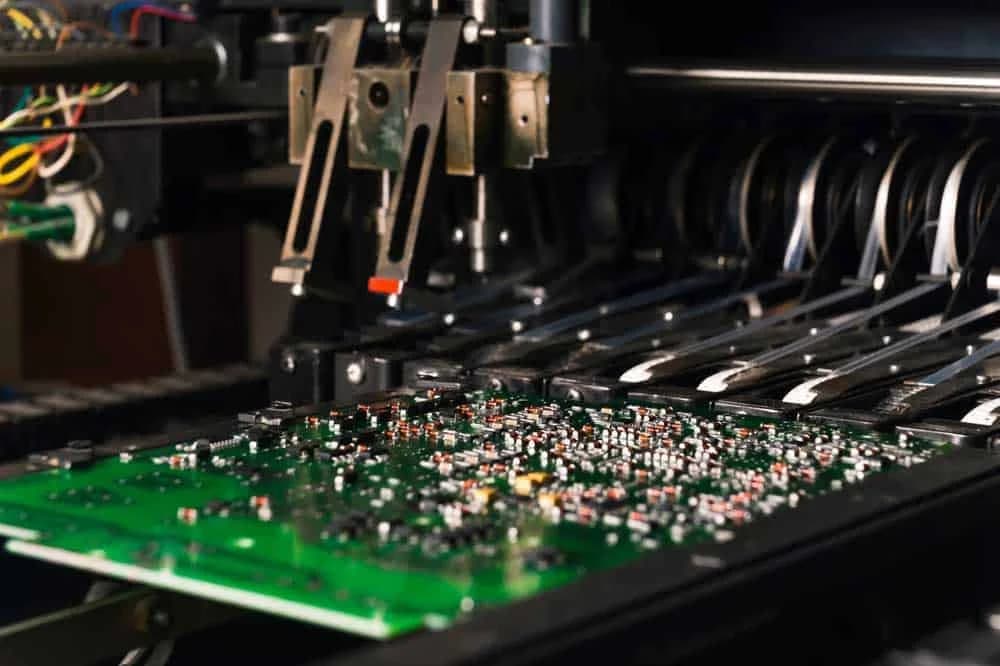
Where Custom PCB Assembly Actually Matters
Many OEM products are easy to describe in one sentence and hard to build correctly in practice. The board may look like a normal SMT assembly, but the release package includes programmed controllers, region-specific connectors, alternate part rules, serialized labels, accessory kits, or inspection checkpoints that cannot be left to operator memory. That is where custom PCB assembly becomes useful.
Workmanship expectations still benefit from references such as IPC and the process background of surface-mount technology, but practical execution depends on whether the build package defines one repeatable product. If the firmware file, approved alternates, or pack-out instructions live only in email threads, the risk is not technical capability. The risk is uncontrolled release.
Good Fit for Custom PCBA
- Products with multiple connector, firmware, or label variants
- Assemblies mixing turnkey and customer-consigned components
- Boards requiring serialized test records or programmed IDs
- Low-volume builds where ECO changes are still frequent
Common Failure Points
- BOM lines without clear sourcing ownership or alternate rules
- Firmware revisions disconnected from the board revision
- Final labels or accessory content added after assembly starts
- Functional test limits that exist informally but not in the release package
Custom Assembly Capability Snapshot
| Area | Typical Support | Why It Matters |
|---|---|---|
| Best fit | OEM products with custom BOM rules, firmware steps, labels, or accessory content | This work is strongest when the product has buyer-specific rules that need to be executed consistently. |
| Lot sizes | Prototype, pilot, bridge, and stable low-volume production | Custom work often starts in pilot quantities, where weak documentation causes the most schedule slip. |
| Assembly scope | SMT, through-hole, mixed technology, programming, inspection, and final pack-out | The service includes the board build plus the controlled value-added steps around it. |
| Sourcing options | Turnkey, consigned, and hybrid procurement by line item | Explicit procurement ownership prevents shortages and substitute confusion. |
| Documentation inputs | Gerber or ODB++, BOM, XY data, assembly drawing, test spec, firmware notes | A board is only buildable when these files define the same revision and the same test intent. |
| Quality references | IPC-A-610 workmanship expectations and product-specific release criteria | Standards help, but the product still needs measurable pass-fail rules and approved build notes. |
| Typical risk points | Unclear variant logic, late BOM alternates, undocumented firmware, missing test limits | Most custom-PCBA delays come from missing control logic, not from line capability. |
Four Areas We Control on Custom Builds
Variant-Controlled BOM Execution
Assembly logic for region variants, connector options, programmed part numbers, and customer-approved alternates without losing revision traceability.
Mixed Sourcing Models
Turnkey, consigned, or hybrid supply planning with explicit ownership for long-lead ICs, custom magnetics, displays, and customer-controlled inventory.
Programming and Serialization
Firmware loading, MAC or serial number handling, label application, and fixture-aware verification tied to the released work instruction.
Inspection and Release Control
AOI, X-ray where needed, first-article review, functional test, and packaging steps defined around the product rather than a generic SMT checklist.
How We Release Custom PCB Assembly
1
Build Definition Review
We confirm the released files describe one specific product build, including board revision, variant options, sourcing ownership, labels, firmware.
2
BOM and Variant Mapping
Critical components, approved alternates, customer-consigned parts, and programmed devices are mapped before purchasing and line setup begin.
3
Assembly and Verification Planning
The build route defines SMT, selective soldering, hand operations, programming, inspection gates, and any packaging or accessory steps unique to the product.
4
First-Article Feedback
Pilot observations are captured against the actual revision so repeat lots do not inherit undocumented substitutions, fixture assumptions, or operator notes.
5
Controlled Repeat Production
Once the custom build package is stable, repeat production uses the same approved BOM logic, firmware mapping, inspection records, and shipping configuration.
Related Services and Resources
Circuit Board Assembly Services
Best when the requirement is broader PCBA support across SMT, through-hole, sourcing, and inspection without heavy product-variant logic.
PCB Assembly Prototype
Useful for early engineering lots where fast learning and first-build response matter more than locked repeatability.
Electronic Assembly Services
Use this when the project extends beyond the board into cables, harnesses, programming, and electromechanical final assembly.
Turnkey Electronics Manufacturing
Choose this path when you want one supplier to own sourcing, fabrication, PCB assembly, interconnects, and final release coordination.
SMT Assembly with Consigned Components
Useful when custom PCBA responsibility is split between buyer-supplied critical parts and factory-sourced commodity lines.
Get a Quote for Custom PCB Assembly
The fastest way to quote a custom build is to send the full release package together: board files, BOM, XY data, assembly drawing, firmware instructions, label notes, and the pass-fail test requirement. If your build includes variant logic or customer-owned parts, note that in the quote request so the sourcing plan matches the real product.
Frequently Asked Questions
What makes PCB assembly custom instead of standard?
Custom PCB assembly usually means the build depends on customer-specific rules that go beyond a generic SMT job. That can include approved AVL logic, programmed firmware by variant, selective conformal coating, serialized labels, mixed consigned and turnkey sourcing, boxed accessory kits, or test steps tied to a released work instruction. The assembly line is not only placing parts. It is following a controlled product definition.
Can you support custom PCB assembly for low volumes?
Yes. Custom PCB assembly is often most valuable in prototype, pilot, and low-volume runs because those builds have the highest mix of ECO changes, part substitutions, and test clarifications. A smaller lot still needs clear BOM ownership, programming steps, fixture access, and pass-fail criteria if you want the next release to repeat cleanly.
Do I need turnkey sourcing for a custom PCBA build?
Not necessarily. Many custom PCBA programs use hybrid sourcing. Customers may consign long-lead ICs, displays, or security parts while the assembly supplier buys passives, connectors, and standard semiconductors. The important rule is that every BOM line has explicit ownership before the order reaches production.
What files do you need to quote custom PCB assembly?
The core package is Gerber or ODB++ data, BOM with manufacturer part numbers, XY placement data, assembly drawing, revision notes, quantity target, and test expectations. If the build includes firmware, labels, enclosures, or cables, send those instructions in the same release package. Missing secondary documents are a common cause of assembly delays.
How do you reduce revision risk on custom assemblies?
Revision risk is reduced by freezing the build package before material release, checking alternates against the approved vendor logic, matching firmware by assembly variant, and documenting first-article findings. If a product has multiple region, connector, or programming options, the route card needs to identify exactly which combination is being built.
Is custom PCB assembly different from turnkey electronics manufacturing?
Yes. Custom PCB assembly focuses on the board-level build and all of the product-specific controls wrapped around it. Turnkey electronics manufacturing is broader and may include PCB fabrication, harnesses, box build, procurement ownership, and final system integration. Some customers start with custom PCB assembly and expand to turnkey once the product release is stable.

Backed by our Shenzhen SMT factory
26 placement machines · 11 SMT lines
4 nitrogen reflow ovens
100% 3D SPI & AOI inspection
Per-board MES traceability
01005 & PoP in stable production