Instant PCB Quote
Buyers searching for an instant PCB quote usually want faster pricing, but what they really need is a clean handoff from design files to a manufacturable quote. That means quote-readiness review, faster DFM clarification, and fewer hidden assumptions around sourcing, inspection, and lead time.
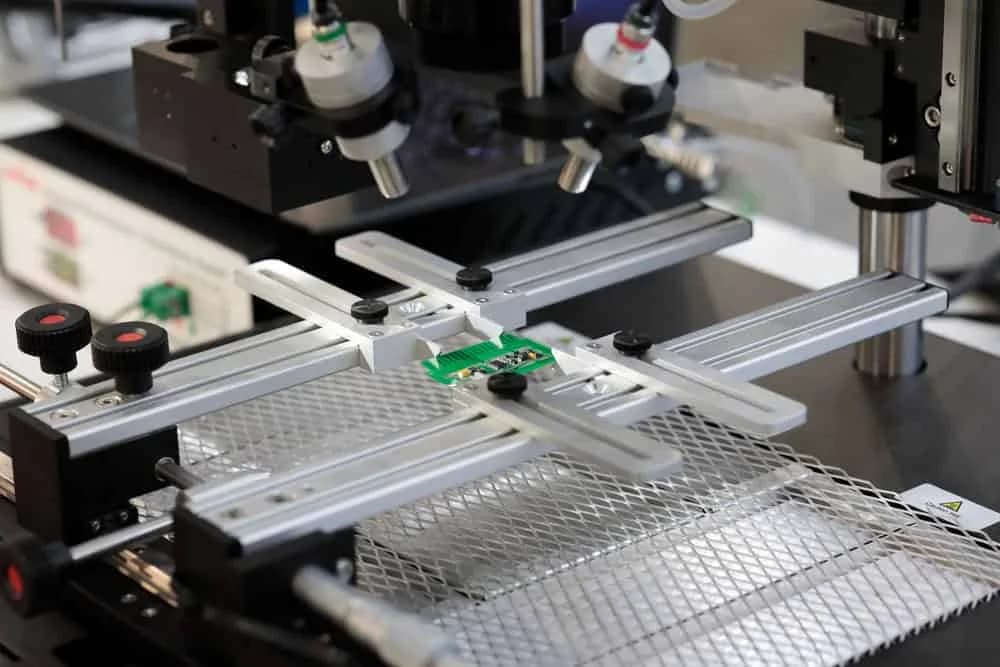
Why Instant PCB Quotes Break Down
A bare board can look simple until the quote has to account for stackup, finish, tolerance, and lead time. A PCBA can look simple until the BOM includes constrained parts, special inspection, or mixed SMT and through-hole operations. That is why the fastest commercial workflow is not the one with the fewest questions. It is the one that asks the right questions early.
File structure matters as much as response speed. Standard data formats such as Gerber packages and a complete bill of materials make quoting faster, while clear assembly expectations around surface-mount technology and inspection standards from IPC reduce back-and-forth before a build is released.
File Completeness
A fast quote starts with release-grade data. Missing drill files, unclear stackup notes.
Real Manufacturing Scope
The quote must reflect the actual build: bare board only, turnkey PCBA, consigned components, cable assemblies, programming, test fixtures.
Risk Visibility
Complex package types, controlled impedance, fine-pitch assembly, long-lead components.
What Drives PCB Quote Accuracy
Commercial-intent keywords attract teams who want an answer fast, but accuracy still depends on the manufacturing details. The table below shows where pricing usually changes after first review.
| Quote Area | Low-Context Input | Better Input | Why It Matters |
|---|---|---|---|
| Fabrication | Layer count only | Stackup, copper weight, finish, tolerance, quantity | Bare board pricing depends heavily on actual process assumptions, not just board dimensions. |
| Assembly | Gerbers without placement data | Gerbers, XY file, BOM, assembly drawing, revision notes | Placement complexity, package mix, and inspection scope determine real PCBA labor and risk. |
| Sourcing | Generic part descriptions | Manufacturer part numbers and approved alternates | BOM ambiguity creates avoidable price changes and lead-time surprises. |
| Inspection | No quality notes | AOI, X-ray, test, and class expectations defined early | Inspection and test planning can change both schedule and commercial structure. |
| Program Scope | PCB only request | PCB, cable, enclosure, and final assembly scope listed | The quote should match the real release package, not only one line item from it. |
How the Quote Workflow Works
This service is a fit for teams that want faster response without turning quoting into guesswork. The goal is to move from upload to decision with fewer blind spots.
1
Upload and Quote-Readiness Review
We first check whether the file package is actually quotable. That includes fabrication data, assembly files, revision consistency.
2
DFM and Sourcing Alignment
Engineering review catches stackup questions, pad and finish risks, panelization assumptions.
3
Commercial Build Structure
The quote is organized around quantity, lead time, sourcing model.
4
Clarification Before Release
If the request includes open items, we close them before release instead of hiding them in a low-context estimate. That reduces re-quotes, line holds.
What To Send for a Faster Instant PCB Quote
The best instant quote is usually the result of better input, not only faster sales follow-up. If you already have release data, send the full package on the first pass.
- Gerber or ODB++ data, drill files, and board outline
- Layer count, target stackup, copper weight, and finish notes
- Quantity breaks, target lead time, and shipping region
- BOM with manufacturer part numbers and approved alternates
- XY placement file and assembly drawing for PCBA
- Special requirements such as controlled impedance, X-ray, conformal coating, programming, or functional test
Related services and tools
If your quote request is part of a bigger release, these pages help reduce missing data before purchasing starts.
Frequently Asked Questions
What does instant PCB quote mean on this page?
On this page, instant PCB quote means a fast commercial and engineering review workflow that turns a usable data package into budgetary pricing and manufacturability feedback quickly. It does not mean every complex PCB or assembly can be priced accurately without file review, BOM validation, or clarification of testing and sourcing scope.
What files do you need for an instant PCB quote?
For bare boards, the fastest package includes Gerbers or ODB++, stackup notes, drill data, board dimensions, finish requirements, and target quantity. For PCB assembly, add a BOM with manufacturer part numbers, XY placement data, assembly drawings, revision notes, and any inspection or test requirements.
Can you quote bare PCB fabrication and full PCBA?
Yes. Some customers only need bare board pricing, while others need turnkey or hybrid assembly pricing that includes sourcing, SMT, through-hole, cable assemblies, or final box build support. The quote structure changes depending on the scope, so the package should reflect the real release intent.
Why do instant quotes sometimes change after review?
Early pricing can change when the uploaded files do not match the requested scope, when the BOM includes long-lead or obsolete parts, or when the stackup, finish, test coverage, or panelization assumptions were incomplete. The goal is to make those drivers visible before release rather than after a purchase order is placed.
Is this service only for prototypes?
No. Instant quote workflows are especially useful for prototypes and pilot builds, but they also help repeat low-volume programs where engineering teams want faster turnaround on design revisions, sourcing changes, or bridge production planning.
How can I get a more accurate PCB quote faster?
Send complete and revision-aligned files, include realistic quantity breaks, identify approved alternates for constrained parts, define inspection or test expectations early, and mention whether the project includes cables, enclosures, or final integration. Better input usually matters more than the promise of a generic online calculator.
Need an Instant PCB Quote That Matches the Real Build?
Send the design package, BOM, quantity, and timing target. If the project includes assembly, cables, enclosures, or test requirements, define that upfront so the quote matches the real job instead of a partial estimate.

Backed by our Shenzhen SMT factory
26 placement machines · 11 SMT lines
4 nitrogen reflow ovens
100% 3D SPI & AOI inspection
Per-board MES traceability
01005 & PoP in stable production