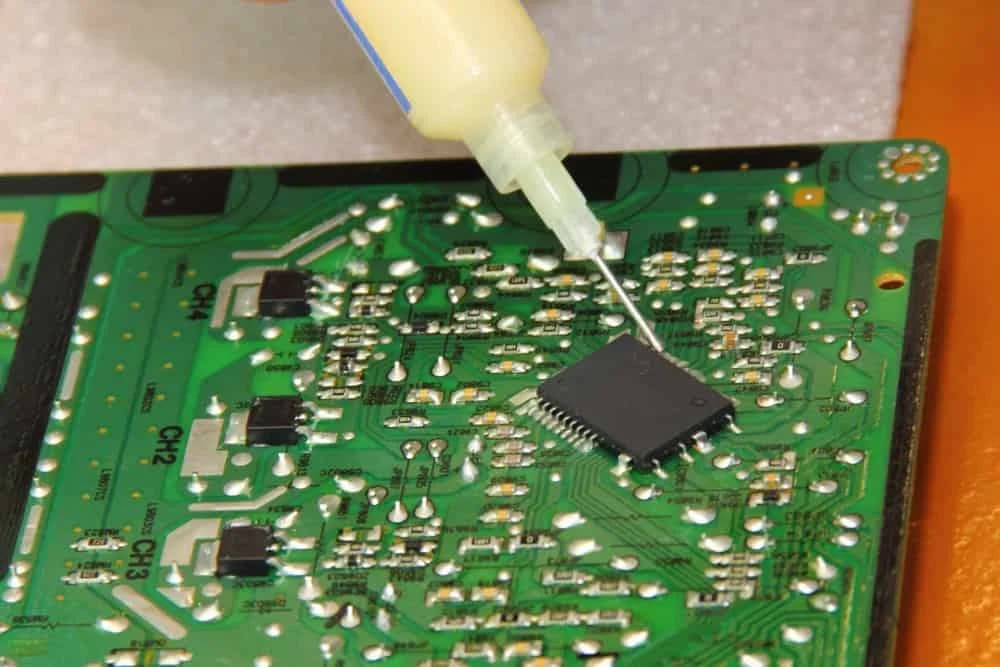
Yes, circuit boards can often be repaired! Learn about common PCB problems and repair techniques in this comprehensive guide...
For more information on industry standards, see printed circuit board and IPC standards.
"When a cable sees more than 10,000 flex cycles, I stop treating jacket material as a purchasing detail; bend radius, strand class, and insulation thickness become the actual reliability drivers."
Hommer Zhao, Founder & CEO, WIRINGO
Yes, many circuit board problems can be repaired with the right tools, skills, and patience. This guide covers common issues and repair techniques.
Common Repairable Problems
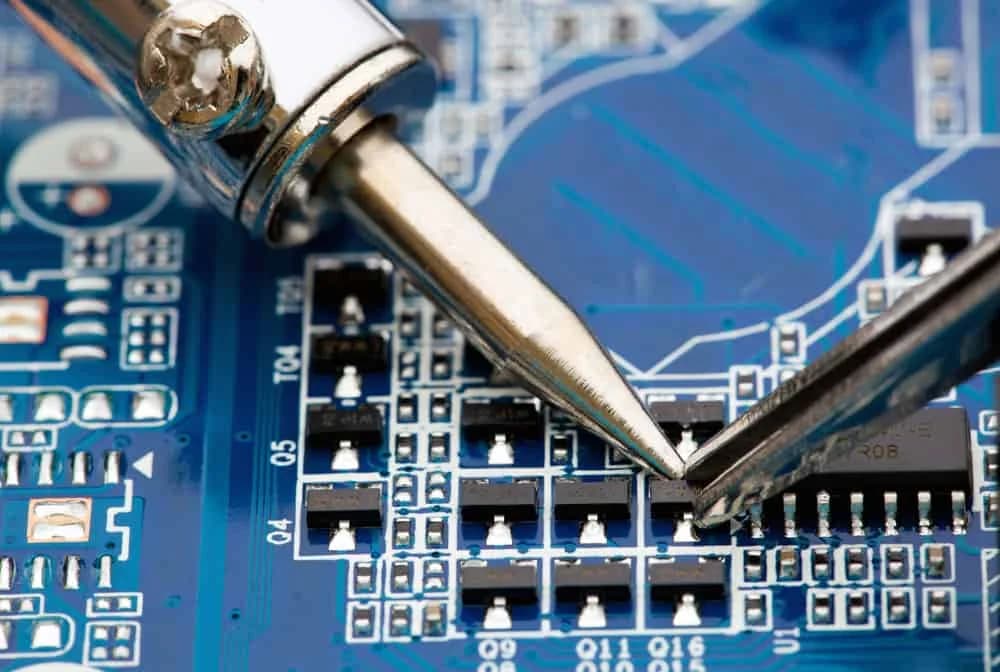
Burnt or damaged components: Individual resistors, capacitors, and ICs can be desoldered and replaced. Identify failed components using visual inspection and multimeter testing.
Broken traces: Copper traces can crack from flexing or physical damage. Repair with conductive epoxy, jumper wires, or by scraping back solder mask and soldering a bridge.
Cold solder joints: Dull, grainy solder joints cause intermittent connections. Reheat with flux and fresh solder for a shiny, concave joint.
Lifted pads: Careful work can reattach lifted pads using epoxy and fine wire connections to nearby traces.
Corroded contacts: Clean with isopropyl alcohol and a soft brush. Severe corrosion may require trace repair.
"A crimp that passes pull-force once is not enough. For production harnesses, the process has to hold conductor brush length, insulation support, and crimp height within the work instruction every shift."
Hommer Zhao, Founder & CEO, WIRINGO
Essential Repair Tools
- Temperature-controlled soldering station
- Solder wick and solder sucker for desoldering
- Digital multimeter for testing
- Magnifying glass or microscope
- Isopropyl alcohol and brushes
- Quality solder and flux
When to Repair vs Replace
Repair when: Damage is localized, replacement parts are available, the board has significant value, or it's a learning opportunity.
Replace when: Damage is extensive, multiple layers are affected, the board is inexpensive, or repair cost exceeds replacement.
Professional Repair Services
Complex repairs involving BGA reballing, multilayer damage, or high-reliability applications should be handled by professional PCB repair services with specialized equipment.
Prevention Tips
Handle boards by edges, use ESD protection, avoid flexing, maintain proper storage conditions, and use conformal coating for harsh environments.
"On portable cord and harness work, the standard matters as much as the drawing. UL 62, IPC/WHMA-A-620, and the connector maker's crimp spec each control a different failure mode."
Hommer Zhao, Founder & CEO, WIRINGO
If you want to turn this topic into a production decision, review our cable assembly guide, check the supporting numbers on the FFC cable reference, and use the wire harness manufacturing service if you need a second review before release.
FAQ
What bend radius should I use for flexible cable design?
For dynamic flex, many teams start around 10x to 20x the overall cable thickness, while static bend-to-install applications can tolerate tighter radii if the supplier approves the construction.
Which standard applies to wire harness workmanship?
IPC/WHMA-A-620 is the core acceptance document, and many customers also add UL, SAE, or connector-specific crimp specifications depending on the market.
How do I know whether a cable needs shielding?
If the line carries fast edges, switching currents, or operates near motors and inverters, shielding should be evaluated. A 360-degree termination usually performs better than a pigtail drain at higher frequencies.
What pull-force numbers matter on a crimped wire?
The exact value depends on conductor size and terminal series, but the production rule is simple: use the terminal maker's crimp-height window and verify pull-force with a calibrated tester.
When is FPC better than FFC?
FPC is usually the safer choice when the design needs controlled impedance, tighter than about 0.5 mm pitch features, dynamic flex life, or integrated components on the cable itself.
How much temperature margin should portable cord have?
For real industrial use, choose a cord whose jacket and insulation ratings exceed the worst-case environment, whether that means 60°C, 90°C, or oil- and water-resistant service under UL 62 or NEC Article 400.

Need Help with Your PCB Design?
Check out our free calculators and tools for electronics engineers.
Browse PCB Tools"In over 20 years of manufacturing experience, we have learned that quality control at the component level determines 80% of field reliability. Every specification decision you make today affects warranty costs three years from now."
— Hommer Zhao, Founder & CEO, WIRINGO